
Clothing examination
Examinations of clothing and sewn products: fabric defects, tailoring quality, fittings, size, labelling, care instructions, completeness and the cause of damage.
from RUB 15,000
Establishing clothing defects and their causes, tailoring quality, the condition of fabric and fittings, completeness, size, labelling, care instructions and conformity with the description, contract, technical requirements or purchase terms.
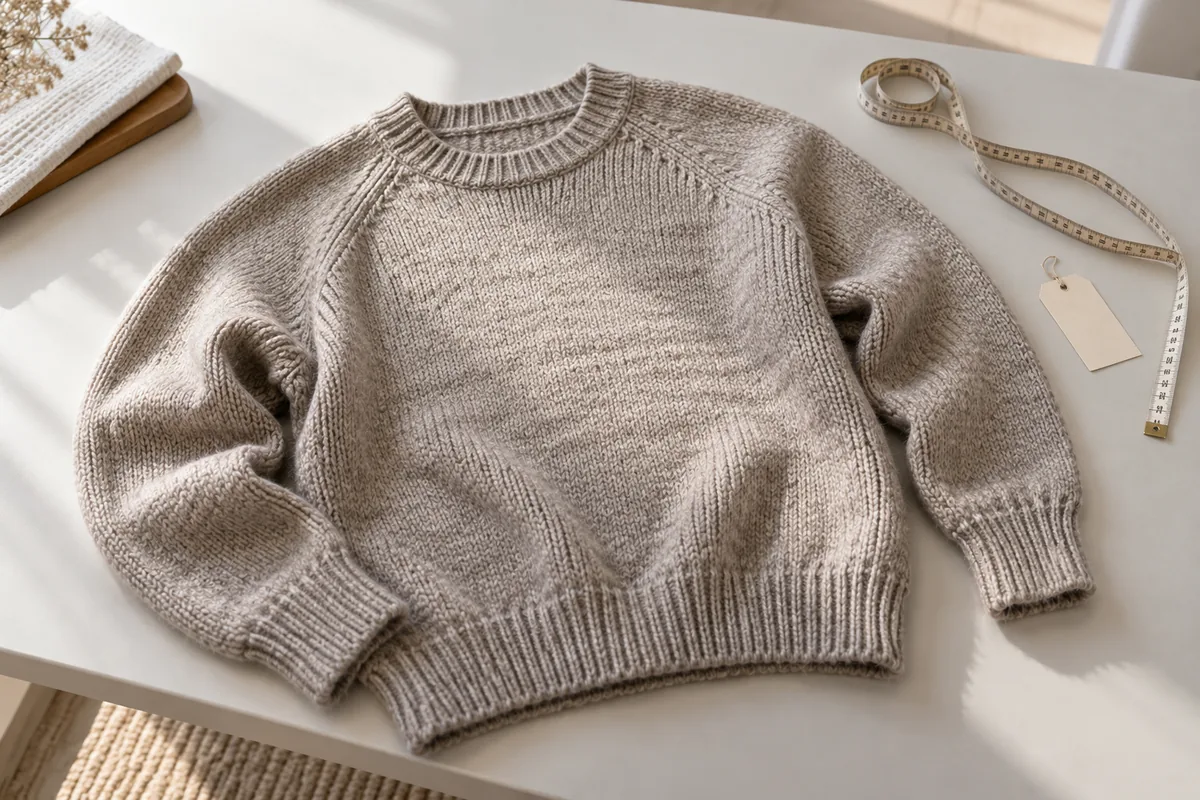
Prepare the clothing, tags, receipt, care history and photographs of defects. Before inspection, agree any actions that could alter the item's condition.
Choose questions for the expert ↗The main priority is to preserve the item in its current condition and record the signs. An examination helps distinguish manufacturing faults from improper care, use, dry cleaning, natural wear, tailoring errors or discrepancies with the description.
Examinations of clothing and sewn products: fabric defects, tailoring quality, fittings, size, labelling, care instructions, completeness and the cause of damage.
Inspecting an item when it is unclear whether the issue is a manufacturing fault, improper use, washing, dry cleaning, storage, wear or an acceptable condition.
Assistance for a buyer in a dispute with a shop, online marketplace, tailoring studio or seller: whether there is a shortcoming, what caused it and whether it is a manufacturing fault.
Examining an item after dry cleaning: shrinkage, colour loss, stains, streaks, deformation and damage to the fabric, fittings, lining or trim.
Checking tailoring quality: crooked stitching, skipped stitches, panel twisting, seam opening, incorrect fit and discrepancies with the order.
Examining fabric defects: tears, snags, abrasion, pilling, skewing, uneven dyeing, stains, deformation and damage to the material's structure.
Establishing the possible cause of shrinkage: fabric properties, incorrect care instructions, failure to follow the washing, drying or ironing regime, or chemical exposure.
Examining colour loss, colour transfer to other areas, dye bleeding, stains, streaks and a possible connection with dyeing quality, washing or dry cleaning.
Examining pill formation, pilling, fuzzing, abrasion and worn areas, and their connection with material quality, use or care.
Checking the seam, threads, seam allowances, stitch density, assembly quality, strain on the item and a possible manufacturing cause of the defect.
Examining zips, press studs, buttons, rivets, eyelets, fasteners and attachments: defects in material or fitting, improper use or natural wear.
Checking sizing characteristics, linear measurements, labelling, patterns, fit and conformity with the stated size or tailoring contract.
Comparing the item with the product listing, contract, specification, photographs, model, composition, size, colour, set of components and labelling.
Examining jackets, coats, down jackets, raincoats and waistcoats: fabric, insulation, lining, fittings, seams, shrinkage, deformation and defects.
Checking outerwear after purchase, wear, washing or dry cleaning: clumping of filling, stains, deformation, seams, zips, fabric and lining.
Examining leather jackets, raincoats, trousers, skirts and accessories: colour loss, cracks, creases, stains, tears, deformation and material quality.
Examining fur items: shedding, loss of appearance, deformation, tears, seams, lining and signs of care, storage or dry cleaning.
Checking children's clothing: tailoring quality, fabric, fittings, safety of components, labelling, size, completeness, defects and conformity with the description.
Examining sportswear: fabric, elasticity, seams, zips, hook-and-loop fasteners, dyeing, wear, pilling, deformation and fitness for purpose.
Checking workwear, organisational clothing and uniforms: tailoring quality, completeness, labelling, the batch and conformity with technical requirements, the contract and the sample.
Examining clothing purchased on an online marketplace: discrepancies with the description, size, colour, composition or completeness, signs of wear, manufacturing faults or substitution.
Inspecting a clothing batch for a business: a sample-based or full check of quality, labelling, packaging, completeness, defects and conformity with documents.
Examining clothing in B2B disputes: quality, product range, completeness, labelling, packaging and conformity with the contract, technical requirements and specification.
A written clothing report: object, documents, inspection, photographic documentation, defects, analysis of causes and answers to the questions posed.
Checking a seller's, service centre's, dry cleaner's, expert's or specialist's report: completeness of the inspection, reasoning behind conclusions, defects and causal connection.
Formulating questions for a clothing examination: presence of a defect, cause, manufacturing faults, care, dry cleaning, tailoring, size, completeness and conformity with the description.
| Telephone consultation of up to 15 minutes | free |
| Clothing examination | from RUB 15,000 |
| Is this a manufacturing defect in the clothing? | from RUB 15,000 |
| Clothing examination for a return | from RUB 15,000 |
| Clothing examination after dry cleaning | from RUB 25,000 |
| Examination of tailoring quality | from RUB 20,000 |
How to preserve the item, labels, packaging, receipt, photographs and correspondence, and prepare for a clothing examination.
Which signs help distinguish a manufacturing defect from the effects of wear, washing, dry cleaning, storage or repairs.
Shrinkage, streaks, stains, colour loss, deformation, damage to fittings and how to record these signs.
Send photographs of the item, labels, markings and defects, purchase documents, the contract, product listing, seller's refusal, dry cleaning documents or the seller's report. Free telephone consultation of up to 15 minutes.